
In 2027, B2B marketing can no longer measure success by leads alone. With 84% of sales reps missing quota while marketing teams celebrate record lead volumes, the disconnect between demand generation and revenue has become impossible to ignore. Revenue marketing is emerging as the strategic answer—connecting marketing, sales, data, and customer outcomes around measurable business revenue growth. Yet 55% of companies still do not know their customer acquisition cost, revealing how many programs remain demand generation in disguise. As buyer journeys grow more complex and ROI expectations rise, revenue marketing is shifting from a buzzword to an operating model built on alignment, intelligence, full-funnel visibility, and accountability for revenue.
1. What Is Revenue Marketing?
Revenue marketing definition
Revenue marketing is a B2B marketing approach that connects marketing activities directly to measurable business outcomes. Instead of focusing primarily on leads or top-of-funnel demand, it aligns Marketing with Sales and Customer Success across the entire customer lifecycle, from awareness and acquisition to conversion, retention, and expansion. The goal is to make marketing accountable for pipeline, revenue, customer value, and return on investment. A strong revenue marketing alliance between these teams ensures they work toward shared goals and use consistent metrics to measure success. Unlike traditional demand generation, which often prioritizes lead volume, revenue marketing evaluates the quality and business impact of every initiative. Data is central to this model, enabling teams to connect marketing investments with pipeline progression, deal velocity, customer acquisition, and long-term revenue growth. In essence, revenue marketing transforms Marketing from a support function into a strategic driver of predictable, sustainable revenue.
2. Why Revenue Marketing Matters for B2B Revenue Growth
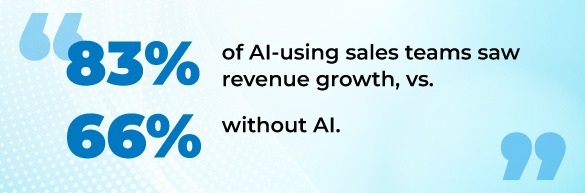
Revenue marketing matters for B2B growth because modern buyers move through complex, digital-first journeys before engaging with sales. With most B2B sales interactions happening digitally, buyers use multiple channels, involve larger buying committees, and consume substantial content before speaking with a representative. This makes lead volume an increasingly weak indicator of marketing performance.
Revenue marketing addresses this challenge by connecting Marketing, Sales, and Customer Success around shared business outcomes. This revenue marketing alliance encourages teams to work toward common goals instead of treating leads, pipeline, and customer relationships as separate stages. It creates a continuous view of the customer journey and links marketing activity to revenue impact. This approach also brings data together across the B2B go-to-market technology stack, enabling teams to understand which activities influence pipeline, conversions, customer acquisition, and long-term value.
For B2B organizations facing greater marketing ROI pressure, changing buyer behavior, and fragmented channels, this alignment is critical. Teams with strong sales-marketing alignment can achieve higher win rates, greater efficiency, and stronger marketing-generated revenue. By focusing on metrics such as CAC, CLV, ROI, ROAS, and revenue contribution, companies can optimize investments, improve sales efficiency, strengthen customer experiences, and build more predictable, sustainable growth. Ultimately, revenue marketing turns marketing from a lead-generating function into a measurable engine for business growth.
3. Revenue Marketing vs. Traditional Marketing
Traditional marketing primarily focuses on building brand awareness, increasing visibility, generating leads, and driving top-of-funnel engagement. Its success is often measured through impressions, reach, website traffic, MQLs, and cost per lead. Marketing may operate separately from Sales, with responsibility often ending once qualified leads are handed over.
Revenue marketing takes a broader, revenue-first approach. Instead of measuring success primarily through activity and engagement, it connects marketing performance to pipeline growth, closed-won revenue, customer acquisition cost (CAC), customer lifetime value (CLV), marketing ROI, and pipeline velocity. Marketing works closely with Sales and RevOps to influence the entire customer journey, from initial awareness through conversion, retention, and expansion.
The difference is also evident in how data is used. Traditional marketing may rely on campaign-level reporting, while revenue marketing integrates CRM, customer, intent, and behavioral data to understand which activities contribute to business outcomes. Budget and strategy are therefore guided by revenue impact rather than historical spending or lead volume.
4. Key Components of a Revenue Marketing Strategy
Five core elements provide the foundation for building a scalable revenue marketing strategy.
Revenue Goals and Metrics
Revenue marketing begins with clear, measurable business objectives. Marketing and sales establish shared targets around pipeline contribution, revenue, win rates, CAC, CLTV, and ROMI. Tracking these metrics enables teams to evaluate financial impact, optimize investments, and demonstrate how marketing activities contribute directly to predictable and sustainable revenue growth.
Sales and Marketing Alignment
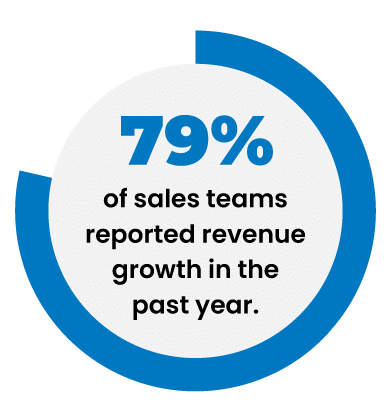
Breaking down silos between marketing and sales is essential. Both teams should share revenue goals, planning processes, performance metrics, and customer data. Service-level agreements, standardized lead handoffs, and regular collaboration create accountability across the funnel, improve conversion opportunities, and ensure prospects receive consistent experiences throughout their buying journey.
ICP, Content, and Lead Nurturing
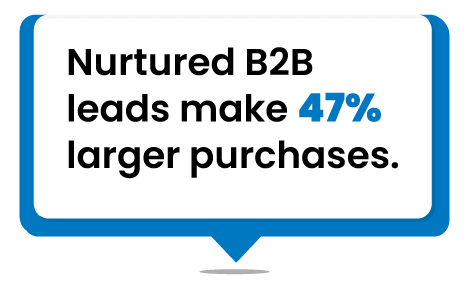
Revenue marketing prioritizes high-intent prospects using well-defined ideal customer profiles and buyer personas. Targeted content should address customer needs, pain points, objections, and buying-stage requirements. Personalized campaigns and lead nurturing help move qualified prospects through the funnel while ensuring marketing resources focus on audiences with stronger revenue potential.
Integrated Technology and Data
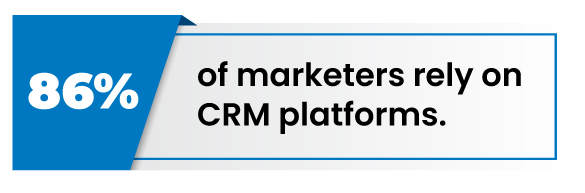
A connected MarTech and SalesTech ecosystem provides visibility across the customer journey. CRM platforms, marketing automation, analytics, intent data, and attribution tools help teams track interactions from initial engagement through closed revenue. Integrated systems also support lead scoring, personalization, automation, and real-time optimization while creating a shared source of truth.
Customer Lifecycle and Continuous Optimization
Revenue marketing extends beyond acquisition to onboarding, retention, expansion, and advocacy. Teams continuously analyze customer behavior, campaign performance, pipeline velocity, CAC, CLTV, and revenue contribution to identify opportunities for improvement. This full-lifecycle approach enables businesses to strengthen customer relationships, increase lifetime value, and build a repeatable, scalable revenue growth engine.
5. How to Measure Revenue Marketing Success
Measuring revenue marketing success requires connecting marketing activities directly to business outcomes. Instead of focusing only on leads or engagement, businesses should track metrics that demonstrate revenue contribution, pipeline health, conversion efficiency, and long-term customer value.
Revenue attribution is a key starting point. Track marketing-sourced revenue, marketing-influenced pipeline, multi-touch attribution, return on marketing investment (ROMI), and cost per opportunity. These metrics reveal which marketing channels and campaigns generate the greatest business value. Pipeline metrics help assess the health of the revenue engine. Monitor pipeline coverage, average deal size, sales cycle length, pipeline velocity, and opportunity creation rates. These indicators help teams improve forecasting and identify bottlenecks before they affect revenue.
Conversion rates show how effectively prospects move through the funnel. Track MQL-to-SQL conversion, SQL-to-opportunity progression, opportunity-to-win rates, channel-specific conversions, and stage velocity to identify areas for optimization. Customer lifetime value provides a longer-term view of marketing performance. Measure customer acquisition cost (CAC), customer lifetime value (CLV), CLV ratio, expansion revenue, and customer retention to evaluate sustainable growth.
An effective measurement system also requires unified data and actionable reporting. Integrate CRM, marketing automation, business intelligence, and revenue marketing platforms to create a reliable source of revenue data. Build dashboards that connect campaign performance with pipeline and revenue outcomes. Ultimately, focus on metrics that align with business goals. Start with pipeline influence, revenue attribution, conversion rates, and acquisition costs, then introduce more advanced KPIs as the revenue marketing program matures.
6. Building a Revenue Marketing Technology Stack
A well-structured stack helps businesses improve sales alignment, identify high-value accounts, optimize campaigns, and demonstrate marketing’s contribution to revenue.
Align Sales and Marketing Around Revenue Goals
A revenue-driven technology stack begins with shared goals across sales and marketing. Integrating customer relationship management (CRM) and marketing automation platforms helps teams establish common definitions for qualified leads, opportunities, and revenue targets. This alignment improves collaboration, strengthens pipeline visibility, and ensures marketing activities support business growth rather than focusing solely on traffic or lead volume.
Prioritize Account-Level Targeting
Effective revenue marketing focuses on high-value accounts that match the ideal customer profile (ICP), rather than generating large volumes of unqualified contacts. Account-based marketing (ABM) platforms, customer data tools, and intent-data solutions help identify B2B buying signals, understand account behavior, and personalize campaigns. These technologies enable marketing teams to engage relevant decision-makers and generate stronger opportunities.
Track Verified Engagement Signals
Clicks, impressions, and website visits alone cannot establish genuine buying intent. Revenue marketing technology should track meaningful engagement, including content consumption, account interactions, and responses from relevant decision-makers. Content syndication platforms and programmatic advertising tools can strengthen targeting through first-party data and verified engagement. These insights help tearevenue growth engine ms prioritize promising accounts and improve lead quality.
Connect Data Across Marketing Channels
Disconnected systems make it difficult to understand how marketing influences revenue. Integrating CRM platforms, marketing automation, advertising tools, and analytics solutions creates a unified view of customer interactions. Connected data helps marketers understand the buyer journey, identify effective channels, personalize campaigns, and improve coordination throughout the sales funnel. Accurate, accessible data also supports informed budget allocation.
Implement Revenue Attribution and Analytics
Attribution and analytics tools help businesses connect marketing activities with pipeline contribution, closed deals, and revenue outcomes. Dashboards can track campaign performance, customer acquisition costs, conversion rates, and return on marketing investment. By implementing closed-loop reporting and suitable multi-touch attribution models, teams can identify revenue-driving b2b marketing strategies, optimize spending, and communicate marketing performance to business leaders.
Leverage AI and Marketing Automation
Artificial intelligence (AI) and marketing automation improve efficiency across the revenue marketing lifecycle. AI-powered tools support predictive lead scoring, customer segmentation, personalized messaging, and sales forecasting. Automation platforms streamline repetitive tasks, nurture prospects, and coordinate multichannel campaigns. When integrated with reliable customer data and revenue analytics, these technologies help marketing and sales teams make faster decisions and pursue sustainable revenue growth.
7. Common Revenue Marketing Challenges
Revenue marketing helps businesses connect marketing activities with measurable revenue outcomes. However, transitioning to a revenue-focused approach can present several challenges that affect collaboration, efficiency, and business growth.
Resistance to Change
Shifting from traditional marketing to a revenue-driven model requires changes in mindset, processes, technology, and performance measurement. Teams may hesitate to adopt new tools or strategies, slowing implementation. Organizations can overcome this challenge by introducing changes gradually, communicating their benefits, and providing employees with the necessary training and support.
Lack of Sales and Marketing Alignment
Disconnected Sales and Marketing teams often work toward different priorities, resulting in inconsistent messaging, missed opportunities, and inefficient lead management. Establishing shared revenue goals, agreeing on the ideal customer profile (ICP), and developing coordinated account-based marketing strategies can improve sales alignment, strengthen collaboration, and generate qualified leads.
Legacy Tools and Inefficient Processes
Outdated technology, disconnected revenue marketing platforms, and complicated workflows can prevent teams from accessing accurate data and measuring campaign performance effectively. Businesses should evaluate their existing marketing technology stack, eliminate redundant tools, automate repetitive tasks, and streamline processes to improve operational efficiency.
Difficulty Measuring Marketing ROI
Attributing revenue to specific marketing campaigns can be challenging when customer journeys involve multiple touchpoints. Without reliable measurement, teams may struggle to demonstrate marketing’s contribution to business growth. Overcome this by implementing consistent attribution models and tracking metrics such as pipeline contribution, customer acquisition cost, and marketing-generated revenue to improve visibility.
Poor Data Quality and Limited Insights
Incomplete customer information and fragmented data can undermine targeting, personalization, and decision-making. Maintaining clean, integrated data systems enables marketers to identify valuable opportunities, prioritize high-potential accounts, and allocate resources more effectively. These challenges require strategic planning, cross-functional collaboration, reliable technology, and continuous performance measurement to build a predictable and sustainable revenue marketing strategy.
8. Best Practices for Building a Revenue Marketing Engine
Building a successful revenue marketing engine requires a strategic approach that aligns marketing, sales, and customer success around shared business objectives. Start by defining your ideal customer profile (ICP), segmenting your target market, and establishing a clear value proposition that differentiates your offerings. Set common revenue goals and establish consistent messaging across teams to ensure coordinated go-to-market execution.
Integrate your marketing and sales technology and revenue marketing platforms to maintain accurate customer data, track engagement, and measure campaign performance effectively. Focus on generating high-quality leads rather than prioritizing volume, using customer insights, intent signals, and qualification criteria to identify accounts with strong conversion potential. Establish clear lead ownership, response times, and handoff processes to prevent missed opportunities and improve buyer experiences.
Develop a disciplined pricing and packaging strategy that protects profit margins while communicating product value effectively. Monitor key performance indicators, including marketing-generated pipeline, customer acquisition cost, conversion rates, revenue attribution, and customer lifetime value, to evaluate performance and optimize spending. Leverage marketing automation and artificial intelligence to streamline repetitive tasks, personalize customer interactions, improve lead scoring, and uncover actionable insights.
Invest in sales enablement through relevant content, ongoing training, and consistent communication between teams. Strengthen customer retention by monitoring satisfaction, identifying churn risks, and developing cross-selling and upselling opportunities. Finally, establish continuous customer feedback loops to evaluate campaign results, refine targeting strategies, and adapt to changing market conditions. By combining data-driven decision-making, cross-functional collaboration, and continuous optimization, businesses can build a scalable revenue marketing engine that drives predictable growth, improves marketing accountability, and delivers sustainable business results.
Revenue marketing is evolving as B2B companies rethink how they connect marketing, sales, and customer success to drive measurable business growth. With changing buyer expectations, emerging technologies, and increasingly complex purchasing decisions, businesses must adapt their go-to-market strategies to stay competitive. One major trend is the rise of buying groups, as B2B purchasing decisions involve multiple stakeholders rather than a single decision-maker. This shift requires personalized campaigns that engage different stakeholders throughout the buying journey. Artificial intelligence is also becoming a key revenue driver, helping marketing and sales teams improve audience targeting, automate repetitive workflows, identify high-value opportunities, and optimize campaign performance using actionable insights.
Meanwhile, B2C strategies are influencing B2B marketing as buyers increasingly expect personalized, seamless experiences similar to those they encounter as consumers. Revenue platforms such as Instagram and TikTok offer additional opportunities to build brand awareness and engage digitally savvy professionals who are entering thought leadership and decision-making roles. Another important trend is the evolution of account-based marketing toward revenue-based marketing, with greater emphasis on shared business goals, account-level engagement, and measurable pipeline contribution. By aligning campaigns with ideal customer profiles, B2B buying signals, and revenue targets, organizations can prioritize resources and improve marketing effectiveness.
Cross-functional alignment is equally essential, as marketing, sales, and customer success teams must work together toward common objectives. Shared metrics, consistent messaging, and coordinated customer experiences help reduce silos, accelerate conversions, and strengthen customer retention. Ultimately, successful revenue marketing requires a combination of intelligent technology, buyer-centric strategies, and collaboration across teams to transform engagement into sustainable, measurable business growth.
Conclusion
In 2027, revenue marketing will be essential for B2B organizations seeking predictable, sustainable growth. As buyer journeys become more complex and pressure to demonstrate ROI increases, businesses must move beyond lead generation and connect marketing activities directly to revenue outcomes. Aligning sales, marketing, and customer success around shared goals, leveraging AI and integrated technology, and measuring performance across the customer lifecycle will be critical. By prioritizing high-value accounts, improving data visibility, and continuously optimizing strategies, B2B marketers can strengthen accountability, maximize marketing investments, and build a scalable revenue engine that drives long-term business success.