
B2B buying is becoming increasingly self-directed, with buyers researching solutions, comparing vendors, and building internal consensus before engaging sales teams. As buying journeys grow more complex, businesses need to provide more than product information; they need to make decision-making easier. This is where buyer enablement comes in.
Buyer enablement equips prospects with the content, insights, tools, and guidance they need to evaluate options and move forward with confidence. As we enter 2027, a strong buyer enablement strategy can help organizations reduce friction, support independent research, and create more relevant buying experiences. This article explores why buyer enablement matters and how businesses can build a strategy that works.
1. What Is Buyer Enablement?
B2B buyer enablement is a strategic approach that gives buyers the information, tools, content, and guidance they need to navigate the purchasing journey with greater confidence. Instead of depending entirely on sales teams, modern buyers can independently research problems, explore solutions, compare vendors, evaluate requirements, and build consensus among stakeholders. Buyer enablement supports these activities by making relevant resources accessible when and where buyers need them. This can include comparison guides, case studies, ROI calculators, product resources, FAQs, and implementation guides. Measuring the impact of buyer enablement programs helps organizations understand how effectively these resources support buyer engagement, accelerate decision-making, and reduce friction throughout the purchasing journey. By reducing friction and supporting self-directed research, buyer enablement helps create a smoother buying experience while enabling sales teams to engage buyers with greater context and relevance.
2. Sales enablement vs. buyer enablement
Buyer enablement and sales enablement support the B2B buying process but focus on different audiences. Sales enablement equips sales teams with the content, tools, training, and insights they need to engage prospects, address objections, and move opportunities forward. Its primary goal is to improve seller effectiveness.
Buyer enablement focuses on the buying group, providing resources that help prospects research solutions, evaluate options, build business cases, gain internal consensus, and make confident decisions. Comparison guides, case studies, ROI calculators, FAQs, and implementation resources are common examples.
The key difference lies in perspective: AI sales enablement asks, “What does the seller need to advance the deal?” while buyer enablement asks, “What does the buyer need to make the next decision?” Rather than competing approaches, they work together. Combining both can reduce buying friction, support self-directed research, and create a smoother B2B buying experience.
3. Why Buyer Enablement Matters
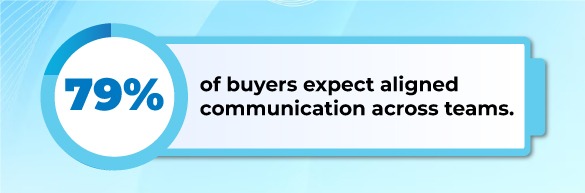
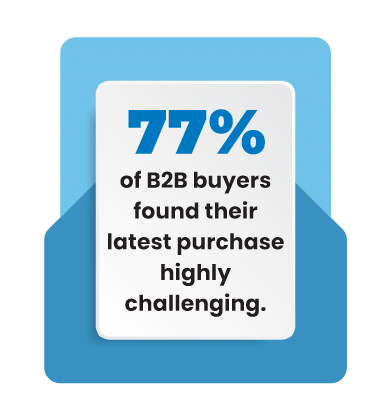
B2B buying has become increasingly complex, with multiple stakeholders, abundant information, and longer decision journeys creating friction for buyers. Buyer enablement strategies help simplify this process by giving prospects the right content, tools, and guidance to evaluate solutions and make confident decisions. They support self-directed research while helping buying groups build consensus across different priorities, from technical requirements and ROI to business impact.
By making information easier to access and understand, effective buyer enablement content can reduce delays, shorten sales cycles, and minimize repetitive questions for sales teams. This content can include case studies, comparison guides, ROI resources, FAQs, and role-specific educational materials that address buyer needs at different stages. It can also strengthen buyer trust by providing relevant, personalized resources throughout the journey. In complex B2B deals, these resources help champions communicate value internally and engage stakeholders more effectively. In the end, buyer enablement shifts the focus from simply persuading buyers to helping them make informed decisions, creating a smoother experience for both buyers and sellers while supporting stronger engagement and more efficient paths to purchase.
4. Effective buyer enablement tools for Better Buyer Decisions
Best buyer enablement tools help prospects research, evaluate, and build confidence without depending entirely on sales interactions. Interactive demos and product simulations allow buyers to explore solutions firsthand and understand how they fit their needs. Personalized buyer enablement content, such as role-specific guides, case studies, and comparison resources, helps different stakeholders find relevant information quickly. ROI calculators and business-case tools make it easier to quantify potential value and justify investments internally. Other useful resources include FAQs, chatbots, knowledge bases, integration guides, customer success stories, and implementation roadmaps, which address common questions and reduce uncertainty.
Mutual action plans can also provide buyers and sellers with a shared view of key steps, responsibilities, and timelines. In addition, internal-selling assets, including one-pagers, presentation decks, and business-case templates, help champions communicate value to other decision-makers. By providing these tools at relevant stages of the buying journey, businesses can strengthen their buyer enablement strategies, reduce friction, support self-directed research, and help buying groups make more informed decisions.
5. How to Build a Buyer Enablement Strategy That Works
A successful buyer enablement strategy starts with understanding what buyers need to make confident decisions and removing friction at every stage. Here are five practical steps to build an effective approach:
Map the Buyer Journey
Identify your buyers’ key questions, pain points, decision criteria, and internal challenges. Map the resources they need across stages such as problem identification, solution exploration, requirements building, supplier selection, validation, and consensus creation.
 Create Relevant Content and Tools
Develop resources that address specific buyer needs, including comparison guides, case studies, ROI calculators, product demos, FAQs, business-case templates, and implementation guides. Focus on helping buyers evaluate options and build internal alignment.
Personalize Content and Delivery
Tailor resources to different stakeholders, roles, and buying stages. Executives may prefer concise business summaries, while technical teams may need detailed specifications and integration information. Digital sales rooms can centralize and personalize these resources.
Equip Sales Teams to Enable Buyers
Train sales teams to act as guides rather than simply presenting products. Help reps identify buyer needs, recommend relevant resources, support multithreading, and use tools such as mutual action plans to facilitate stakeholder alignment.
Measure, Learn, and Optimize
Track content engagement, resource usage, buying-stage progression, sales-cycle length, conversion rates, and buyer feedback. Use these insights to identify information gaps, improve resources, and continuously refine the buyer experience.
Conclusion
B2B buyers are taking greater control of their purchasing journeys, making buyer enablement an increasingly important part of modern GTM strategies. By providing relevant content, interactive tools, personalized resources, and clear guidance, businesses can help buying groups navigate complexity and make confident decisions. A successful strategy starts with understanding buyer needs, creating decision-focused resources, personalizing delivery, equipping sales teams, and continuously measuring results. Rather than replacing AI sales enablement, buyer enablement complements it by supporting both sides of the buying process. As B2B expectations continue to evolve in 2027, organizations that reduce friction and enable better decisions can create more connected and effective buying experiences.