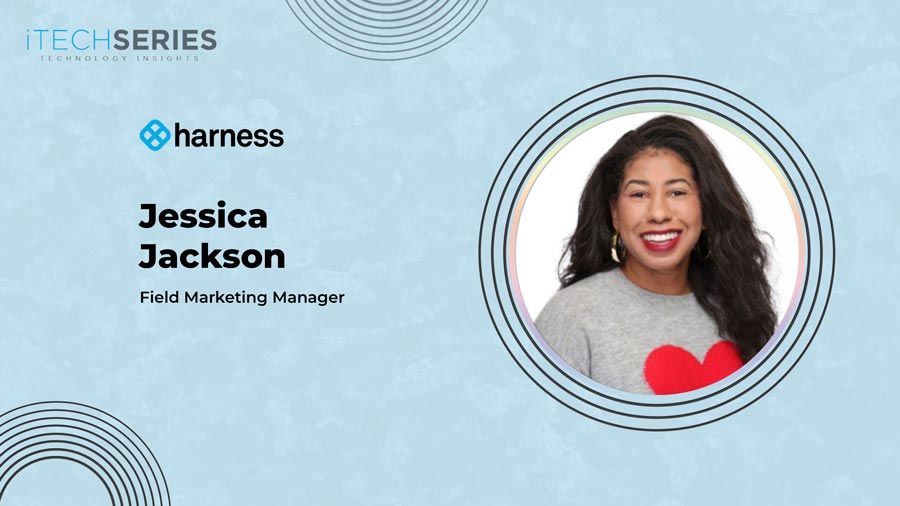
In this edition of iTechSeries Unplugged Interview, Jessica Jackson, Field Marketing Manager at Harness, shares insights on blending digital strategy with human connection to drive demand. From leveraging data and personalization to prioritizing events and ecosystem marketing, she explores how integrated approaches build trust, accelerate the pipeline, and align marketing closely with revenue and sales goals.
Welcome to the interview series, Jessica. Could you tell us a bit about yourself and your journey as a marketer?
By my junior year of high school, I decided to study marketing in college. During my collegiate career, I had internships in sports marketing, fashion, and even Disney’s college program. Following college, I held marketing positions in staffing, engineering, bridal, and now tech.
From your experience, what role does field marketing play today in driving meaningful demand compared to purely digital channels?
Digital channels are extremely important for driving demand because we’re in a digital world, and that won’t change. Where field marketing plays a role is by adding a human touch. We may have acquired a contact from a digital campaign, but a field marketing event allows us to connect with that contact in person and develop a human connection, which nurtures relationships. When a genuine relationship is established, trust is built, which further advances the relationship and the deal cycle. This combination of digital reach and in-person engagement helps create more meaningful interactions, improves buyer confidence, and ultimately leads to stronger conversions and long-term customer relationships.
How do you leverage data, intent signals, and personalization to target accounts and enhance the effectiveness of your marketing campaigns?
I use data from interactions—the material a contact has engaged with, the pain points they identify with, and the responsibilities of their role—to be sure that we’re inviting them to the right events and targeting them with intentional content. I analyze intent signals and behavioral trends to refine audience segmentation, ensuring messaging is timely and relevant. This allows us to create more personalized experiences, improve engagement rates, and ultimately drive higher-quality interactions that move prospects further along the buyer journey.
With experience across digital, social, events, and ecosystem marketing, how do you prioritize channels and tactics for maximum impact?
Digital is important for strategic targeting and coincides with social to amplify a brand and messaging. I recommend prioritizing event marketing to introduce specialized in-person campaigns, nurture the community, and get in front of prospects where a conversation is already happening. Ecosystem marketing can go hand in hand with events but is especially helpful when you have engaged partners and partner programs to make introductions to new accounts to exhibit credibility.
“Digital channels are extremely important for driving demand because we’re in a digital world, and that won’t change. Where field marketing plays a role is by adding a human touch.”
What’s been your most memorable experience as a marketer?
Being a part of Harness’ user conference roadshow, Unscripted, during my first year at the company. This was such a strenuous labor of love that combined all aspects of marketing: digital, social, community, customer marketing, events, and ecosystem. It was rewarding to see our marketing team work together to create something so impactful, reaching new cities and target accounts and opening the door to expansion in current accounts.
What strategies do you use to ensure marketing stays closely aligned with sales goals and revenue outcomes?
Joining weekly sales calls, having quarterly field marketing planning sessions with sales leaders, and sharing consistent updates for upcoming events and marketing activity. I focus on maintaining open communication and feedback loops with sales teams to understand evolving priorities and pipeline needs. Aligning on shared KPIs, tracking performance metrics, and collaborating on account strategies ensures marketing efforts directly contribute to revenue growth and measurable business outcomes.
How do you maintain cross-regional marketing alignment while adapting programs and campaigns to local market dynamics?
There will always be a balance between what the market demands, what your vertical is doing, and what’s best for the business. How I balance this is by maintaining brand consistency while considering pain points and desired results for each region, and, where possible, their current use cases. I also collaborate closely with regional teams to gather on-the-ground insights, ensuring campaigns feel locally relevant while still aligning with global strategy, messaging, and overall business objectives for consistent impact.
What advice would you offer to marketers looking to build a career in field, event, and integrated marketing roles?
Get familiar with all aspects of marketing projects within the company, beyond your own, to understand how they can tie into field events. Nurture relationships with your teammates and vendors in the industry. Treat vendors with respect and think of them as partners. Also, stay adaptable and open to learning, as these roles often require cross-functional collaboration and quick problem-solving. Building strong communication skills and being proactive in taking ownership of projects can significantly accelerate your growth in this space.
About Jessica Jackson
Jessica Jackson is a Field and Events Marketing Manager with over nine years of experience across tech, engineering, staffing, and retail. Currently at Harness, she drives demand through integrated marketing strategies spanning digital, events, and ecosystem partnerships. She has generated a multimillion-dollar pipeline, improved conversion rates, and executed high-impact events. With a background in ABM and sales alignment, she focuses on building human-centered marketing experiences that accelerate pipeline and revenue growth.