
For years, marketing was driven by campaigns, launches, promotions, and one-off wins. But in 2026, that model is breaking down. Customers don’t experience brands in bursts; they experience them as ongoing relationships shaped by every interaction. Lifecycle marketing has emerged as the answer, shifting teams from funnel thinking to full-funnel intelligence. It connects data, channels, and teams to deliver relevant, real-time engagement across the entire journey. In this article, we explore how lifecycle marketing is evolving, what strategies actually work today, and how leading organizations are turning continuous customer engagement into measurable, long-term growth.
1. What Is Lifecycle Marketing?
Lifecycle marketing is the practice of engaging customers based on where they are in their relationship with your brand and adapting that engagement as the relationship evolves. Instead of treating marketing as a series of one-off campaigns, it focuses on delivering relevant and timely experiences across the entire customer journey, from initial awareness to long-term loyalty.
At its core, lifecycle marketing is about context. A first-time visitor needs education, while a loyal customer expects value, recognition, and personalization. By using data, behavior, and real-time signals, brands can tailor messaging, channels, and timing to meet those needs.
Unlike traditional campaign-based marketing, lifecycle marketing is continuous and connected. It aligns every interaction to the customer journey, ensuring consistency across touchpoints. The result is stronger engagement, higher retention, and increased customer lifetime value, turning marketing into a cohesive and revenue-driving system.
2. Why does lifecycle marketing matter?
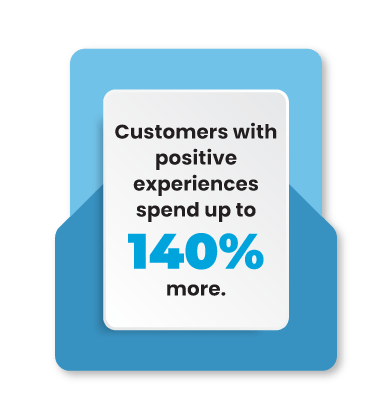
Lifecycle marketing matters because it enables brands to engage customers in a continuous, relevant, and value-driven way across every stage of their journey. Instead of relying on isolated campaigns, it focuses on building long-term relationships by delivering the right message to the right customer at the right time and through the right channel.
The foundation of effective lifecycle marketing is customer understanding, which depends on reliable and unified data. In many organizations, customer information is fragmented across systems such as CRM platforms, email tools, analytics dashboards, and survey software. This creates silos that limit visibility and slow down decision-making. A customer data platform helps solve this challenge by bringing all data into a single unified view, creating complete customer profiles that include demographics, behavior, purchase history, and engagement patterns.
With this unified view, marketers can design highly personalized experiences that reflect real customer behavior rather than assumptions. For example, a customer who frequently browses but does not purchase can be nurtured differently from a loyal repeat buyer. This level of precision improves engagement, increases conversions, and strengthens retention. Lifecycle marketing is also essential in a world where customer attention is limited and acquisition costs continue to rise. Businesses can no longer rely only on acquiring new customers. Instead, they must maximize the value of existing relationships. When marketing is aligned with customer needs and behaviors, it not only improves performance but also builds trust over time.
Data enables marketers to identify patterns, anticipate needs, and continuously optimize campaigns. Rather than using static rules, brands can respond dynamically to customer actions, creating more meaningful interactions. This shift from generic messaging to intelligent engagement is what drives long-term growth. Ultimately, lifecycle marketing is important because it transforms marketing from a set of campaigns into a continuous system for building loyalty, improving customer experience, and driving sustainable revenue growth.
3. The Core Lifecycle Stages Explained
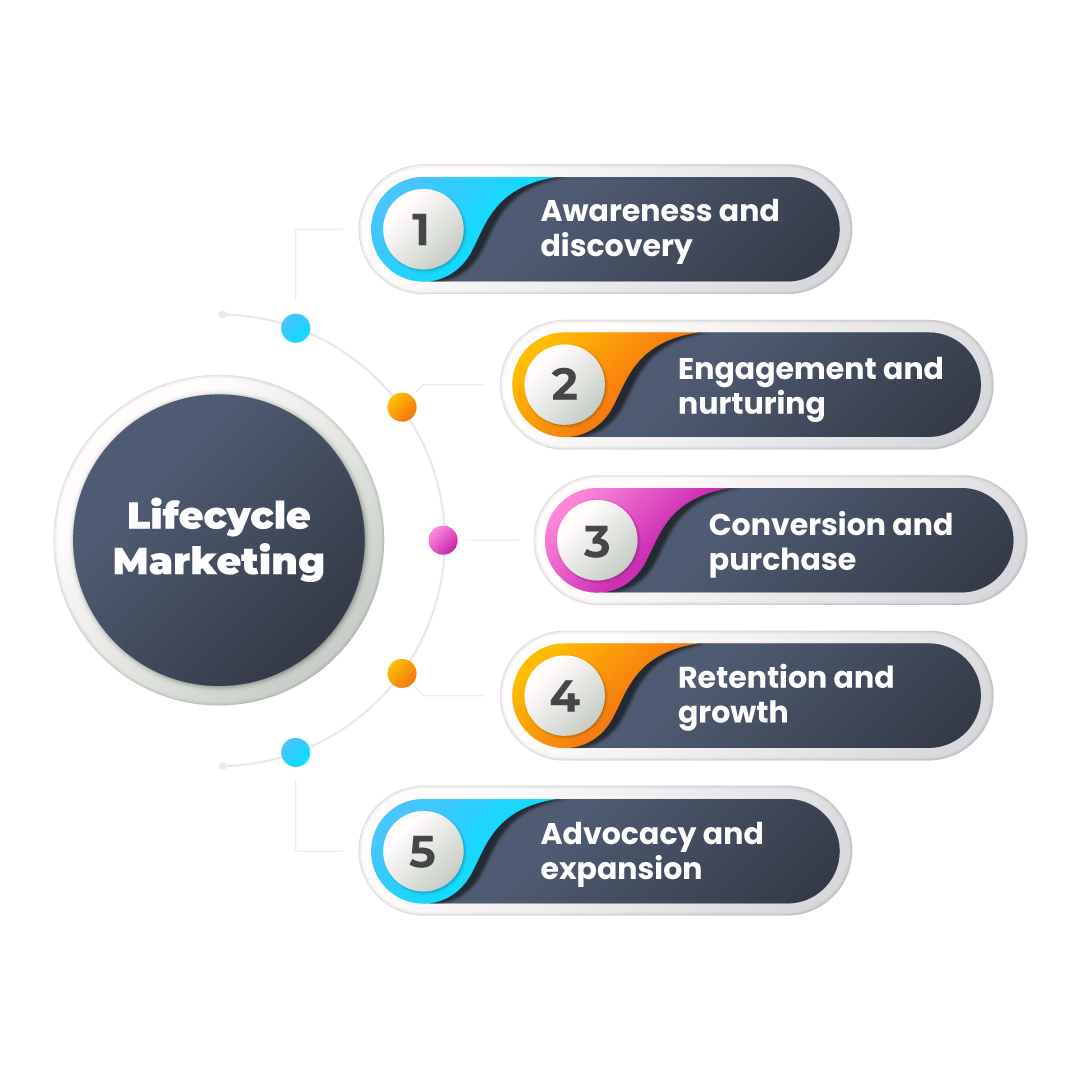
Every customer moves through distinct stages in their relationship with your brand. Understanding these stages helps you deliver relevant messages that match their needs, intent, and mindset at every step of their journey. Here are the stages of lifecycle marketing:
Stage 1: Awareness and discovery
This stage begins when a potential customer identifies a problem or opportunity and starts exploring possible solutions. They are not ready to buy yet and focus on learning through blogs, guides, reviews, and comparison content. The goal is education, not persuasion. Brands should help users clearly understand their challenges and available options while building early trust and relevance. Awareness KPI example: traffic from target channels, content engagement rate.
Stage 2: Engagement and nurturing
At this stage, prospects actively interact with your brand through webinars, downloads, newsletters, or product exploration. They are evaluating credibility, value, and fit. Marketing must nurture interest using personalized email journeys, case studies, and demos that build trust and demonstrate outcomes. The focus is on strengthening relationships and guiding prospects toward deeper consideration rather than immediate conversion. Engagement KPI example: lead-to-MQL conversion rate, webinar participation.
Stage 3: Conversion and purchase
Here, prospects are close to making a decision and need final reassurance. They compare pricing, features, testimonials, and risk factors before committing. Brands must reduce friction through transparent pricing, free trials, strong social proof, and simple checkout or onboarding flows. Addressing objections proactively is critical to prevent drop-offs and improve conversion efficiency. Conversion KPI example: trial-to-paid conversion rate, sales cycle length.
Stage 4: Retention and growth
After purchase, customers need support to achieve success quickly. This stage focuses on onboarding, education, and helping users realize value early. Brands must ensure adoption through tutorials, proactive support, and personalized engagement based on usage behavior. Strong retention strategies reduce churn and increase product adoption, satisfaction, and long-term engagement.
Stage 5: Advocacy and expansion
Satisfied customers become powerful brand advocates. They recommend your product, share reviews, and explore additional offerings. This stage focuses on deepening loyalty through referral programs, customer success stories, and personalized upsell or cross-sell opportunities. Brands should recognize loyal users and encourage advocacy through rewards and community engagement, turning customers into long-term growth drivers.
4. Why Do Leading Brands Invest in Lifecycle Marketing?
Leading brands invest in lifecycle marketing to drive long-term value, improve retention, and deliver personalized experiences across the full customer journey using unified data and insights.
Focus on long-term value over acquisition:
Leading brands invest in lifecycle marketing to move beyond short-term acquisition and focus on long-term customer value. With rising acquisition costs and shrinking attention spans, relying only on top-of-funnel efforts is unsustainable. Lifecycle marketing ensures continuous engagement that supports retention, expansion, and sustainable revenue growth.
Engagement across the full customer journey:
Lifecycle marketing enables brands to engage customers at every stage: awareness, onboarding, retention, upsell, and advocacy. Instead of isolated campaigns, it creates a connected experience that adapts to customer behavior. This ensures consistent communication and improves overall customer experience and journey effectiveness.
Unified customer data for better decisions:
Leading brands integrate data from CRM systems, email platforms, analytics tools, and support channels. This unified view helps marketers understand customer behavior, preferences, and needs more accurately. With better insights, businesses can make smarter decisions and deliver more relevant, timely messaging.
Personalization at scale improves performance:
Lifecycle marketing enables tailored communication for different customer segments. New users receive onboarding support, active users get upgrade prompts, and at-risk customers are re-engaged proactively. This personalization increases engagement, reduces churn, and improves conversion across the entire customer base.
Improved efficiency, retention, and trust:
It is more cost-effective to retain existing customers than acquire new ones. Lifecycle marketing increases customer lifetime value, improves retention, and builds predictable revenue streams. Consistent and relevant engagement also strengthens trust, leading to deeper relationships and long-term customer loyalty.
5. Key Pillars of a High-Performing Lifecycle Strategy
A high-performing lifecycle strategy focuses on creating personalized, connected, and measurable customer experiences across every stage of the customer journey. The foundation of this strategy is unified customer data collected from multiple touchpoints, including website activity, email engagement, purchase behavior, and customer support interactions. This data helps businesses build complete customer profiles and make informed marketing decisions. Customer segmentation is another essential pillar, allowing organizations to group audiences based on demographics, behavior, interests, or purchase history. With better segmentation, brands can deliver more relevant messaging, personalized recommendations, and targeted campaigns that improve engagement and conversion rates.
Automation also plays a critical role in lifecycle marketing by enabling businesses to trigger timely communications based on customer actions. For example, customers may receive onboarding emails after a purchase or follow-up content after downloading a resource. However, automation should support human engagement rather than replace it entirely. Customers still expect authentic, empathetic interactions throughout their experience.
An effective lifecycle strategy also requires consistent omnichannel engagement across email, websites, social media, sales, and customer support channels. Seamless experiences build trust and strengthen long-term relationships. In addition, proactive customer service helps reduce churn by identifying and resolving issues before they escalate. To maximize performance, organizations must align marketing, sales, product, and customer success teams around shared goals and metrics. Companies that combine data-driven insights, personalization, automation, collaboration, and adaptability can improve retention, increase loyalty, and drive sustainable business growth over time.
6. How to Build and Execute a Lifecycle Marketing Strategy?
With a clear understanding of the importance of lifecycle marketing, the next step is learning how to develop a strategy that supports your goals while meeting evolving customer needs.
Define Your Audience
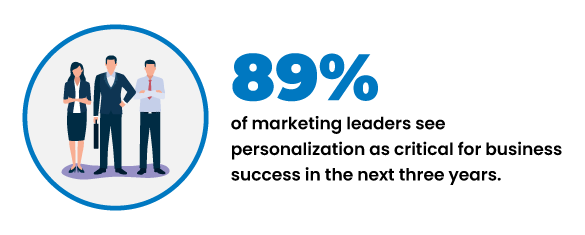
Businesses must identify customer demographics, behaviors, motivations, and pain points to create targeted campaigns. It is also important to recognize different audience roles, including end-users, influencers, and decision-makers. When brands understand the specific problems their products solve, they can craft messaging that feels relevant, personalized, and valuable throughout the customer journey.
Identify the Moment
Identifying this moment helps businesses improve activation, engagement, and retention. Companies can uncover these insights by analyzing customer behavior, conducting interviews, and testing onboarding experiences. Tracking events and user interactions also helps marketers guide customers toward meaningful actions that increase long-term engagement and strengthen overall lifecycle performance.
Create Relevant Content and Messaging
Awareness-stage audiences need educational content, while prospects in consideration require case studies, demos, and testimonials. Retention campaigns should focus on personalized recommendations, onboarding guidance, and loyalty incentives. Personalized messaging based on customer data creates stronger engagement and helps brands maintain consistent communication across multiple channels and touchpoints.
Leverage Customer Data
Tracking behaviors such as website visits, purchases, newsletter sign-ups, and product usage patterns helps uncover valuable trends and opportunities. A customer data platform can unify information from multiple sources into a complete customer profile, enabling more accurate segmentation and personalization. These insights empower marketers to optimize campaigns, enhance customer experiences, predict future behaviors, and make more informed, data-driven decisions.
Continuously Test and Improve
Businesses should begin with focused campaigns targeting specific audiences and goals before expanding efforts. A/B testing, cohort testing, and holdout testing help marketers understand which messages and experiences perform best. Continuous optimization allows organizations to improve engagement, increase retention, reduce churn, and adapt quickly to changing customer expectations and market conditions over time.
7. Metrics That Matter Across the Lifecycle
Measuring campaign effectiveness requires a structured, data-driven approach across the entire customer lifecycle. The most reliable way to understand true impact is by comparing campaign recipients with a randomized 10 to 20 percent holdout group who do not receive the campaign. This helps determine whether conversions were truly driven by marketing or would have happened organically. Since some effects take time to emerge, both short-term and long-term outcomes should be tracked.
Strong measurement starts with proper conversion tracking. Businesses must configure clear conversion goals, connect campaign platforms with product analytics tools, and ensure consistent user IDs across systems. This enables accurate attribution across touchpoints. Typically, 7-day attribution windows capture immediate actions, while 30 to 90-day windows help measure longer-term outcomes such as upgrades, retention, or repeat purchases.
Attribution models provide deeper insight into performance. While last-touch attribution identifies what triggered conversion, multi-touch attribution reveals how different campaigns contribute throughout the journey. Although no model is perfect, consistent methodology is essential for reliable insights. Finally, reporting should focus on outcomes rather than activity. Metrics such as revenue, retention, activation, and lifetime value matter most, while engagement metrics like clicks and opens should support the narrative, not define it. Clear storytelling ensures stakeholders understand the true business impact.
8. Success Stories: Lifecycle Marketing
Modern lifecycle marketing success stories show how brands guide buyers through awareness, consideration, activation, retention, and advocacy using data-driven strategies. At the awareness stage, HubSpot builds educational content hubs and free certifications that attract independent B2B researchers. HubSpot Academy establishes authority and nurtures inbound demand by offering templates, blogs, and courses that naturally feed users into its CRM ecosystem. In the consideration stage, Salesforce uses retargeting and gated assets like whitepapers, webinars, and ROI calculators to capture high-intent leads. Salesforce runs role-based webinars that address specific industry pain points, enabling sales teams to follow up with qualified prospects.
During activation and onboarding, Slack focuses on reducing friction through automated product tours and behavioral email nudges. Slack uses contextual in-app guidance, prompting users to invite teammates, connect integrations, and reach first-value moments quickly. For retention and upsell, Mailchimp leverages usage-based triggers to drive personalized upgrade recommendations. When subscriber thresholds are reached, Mailchimp sends automated alerts explaining the benefits of advanced segmentation and marketing automation features.
In advocacy and referral, Dropbox scaled growth by incentivizing users to invite colleagues and expand team adoption. The referral program rewarded users with additional storage, turning satisfied customers into active promoters of the platform. Overall lifecycle marketing integrates awareness education, targeted consideration, seamless activation, data-driven retention, and incentive-led advocacy to create sustainable B2B growth systems. Each stage reinforces the next, ensuring long-term engagement and expansion across the customer lifecycle at scale today globally.

9. Common Obstacles Faced by Lifecycle Marketers
Here are the key obstacles in lifecycle marketing and the lack of clarity across the customer journey.
Disconnected systems and fragmented data
One of the biggest challenges is the lack of integration between marketing tools, leading to siloed and inconsistent data. Marketers struggle to understand customer behavior across platforms, making segmentation and personalization difficult. The solution lies in building a centralized customer data hub and focusing only on key behavioral attributes that truly impact lifecycle decisions, ensuring clean and reliable data flow.
Poor measurement and attribution
Nearly half of marketers cannot accurately measure campaign impact due to broken attribution models and scattered reporting systems, which leads to uncertainty in decision-making. The solution is to focus on leading indicators like activation events and use controlled experiments, such as holdout groups, to measure true incremental impact rather than relying solely on last-click attribution.
Excessive manual work and limited automation
Despite automation tools, marketers still spend significant time on repetitive tasks like content adaptation, segmentation, and reporting, reducing strategic focus. The solution is incremental automation and the use of AI for first-draft content generation, dynamic segmentation, and automated multilingual processes to reduce operational workload efficiently.
Weak focus on lifecycle prioritization and retention gaps
Many teams still prioritize acquisition over retention, leaving activation, expansion, and win-back underdeveloped, creating imbalanced lifecycle strategies. The solution is to shift toward retention-led growth, align KPIs with customer lifetime value, and build dedicated lifecycle programs for onboarding, engagement, and expansion to ensure long-term revenue sustainability.
10. The Future of Lifecycle Marketing in 2026 and Beyond
The future of lifecycle marketing in 2026 and beyond is being shaped by channel evolution, AI-driven personalization, and a stronger focus on revenue impact across the entire customer journey. Email remains a core pillar of lifecycle strategy, with 83% of teams in recent studies still citing it as a high-ROI channel. However, its execution is rapidly changing. The outdated batch-and-blast model is being replaced by behavior-triggered workflows, real-time personalization, and AI-optimized send times that adapt to individual engagement patterns. Instead of sending one-size-fits-all campaigns, marketers now treat email as a dynamic journey touchpoint that contributes directly to pipeline and revenue.
At the same time, SMS and messaging apps are expanding through Rich Communication Services (RCS), enabling branded, interactive experiences with images, buttons, and verified sender identities. This shift is turning messaging into a high-intent engagement channel with significantly higher open and conversion rates. Push notifications are also evolving from disruptive broadcasts into precision tools powered by behavioral triggers and AI timing models, delivering the right message based on lifecycle stage and user activity.
AI is becoming the backbone of lifecycle marketing execution. It enables scalable personalization, predictive segmentation, and intelligent send-time optimization at an individual level. Marketers are now using AI to generate message variants, identify churn risks early, and surface expansion opportunities before they are obvious. Combined with a growing shift in budget allocation from acquisition-only strategies to full-funnel lifecycle investment, companies are increasingly recognizing retention and expansion as primary growth drivers.
Conclusion
Lifecycle marketing has evolved from a supporting tactic into a core growth engine for modern businesses. In 2026 and beyond, success will depend on how effectively brands connect data, channels, and customer insights into a unified, intelligent system. Companies that move beyond campaign-based thinking and adopt full-funnel lifecycle strategies will build stronger relationships, improve retention, and drive sustainable revenue growth. With AI, automation, and real-time personalization reshaping every touchpoint, marketers must focus on relevance, timing, and value at each stage of the journey. Ultimately, lifecycle marketing transforms customer engagement into a continuous, scalable, and revenue-generating ecosystem.