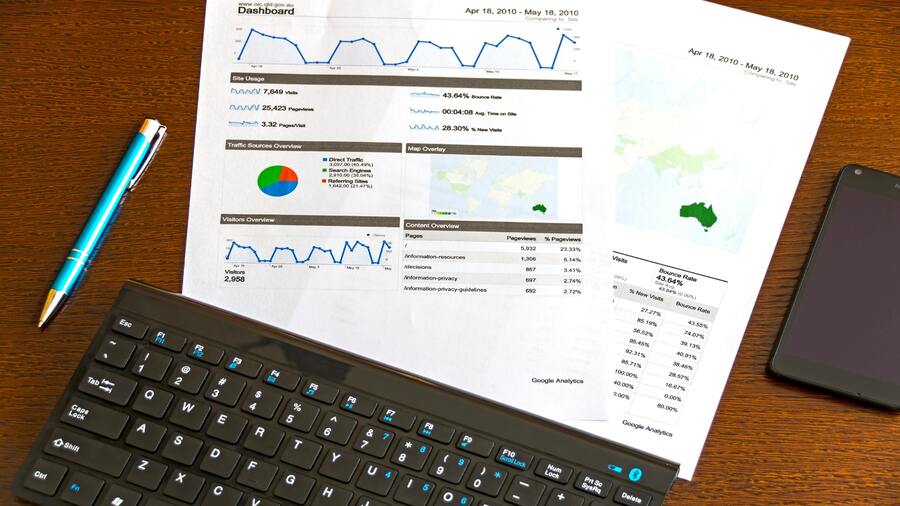
Most B2B marketers have more data than ever before, yet many still struggle to turn it into meaningful insights. That’s where marketing analytics becomes a game-changer, transforming raw numbers into clarity, direction, and smarter decisions. In a landscape defined by long buying cycles and high-stakes sales, analytics helps teams understand customer behavior, measure performance, personalize outreach, and optimize every touchpoint. Despite its growing importance, many businesses still underuse the data available to them. This short blog explains what marketing analytics is, why it matters, its core components, and how to get started.
What Is Marketing Analytics?
Digital marketing analytics is the process of collecting, measuring, and interpreting data to understand how well your marketing efforts are performing. It transforms raw numbers into actionable insights, helping businesses make smarter, more informed decisions. By analyzing data from campaigns, customer interactions, and digital touchpoints, marketing analytics reveals what’s working, what isn’t, and where new opportunities exist. This includes specialized areas such as email marketing analytics, content marketing analytics, and broader marketing analytics services offered by expert providers.
In B2B environments, analytics becomes even more essential. It helps identify high-value accounts, understand buyer behavior, personalize outreach, and optimize every stage of the journey. From website performance and content engagement to lead quality and pipeline impact, analytics paints a complete picture of marketing effectiveness. Modern marketing analytics tools also go beyond reporting: predictive and prescriptive analytics can forecast outcomes and recommend strategic actions. Ultimately, marketing analytics empowers teams to reduce guesswork, improve ROI, and build data-driven strategies that accelerate growth.
Core Elements of Digital Marketing Analytics
Marketing analytics brings together data, tools, marketing analytics software, and insights to drive informed decision-making across the B2B customer journey. It begins with market research, which helps businesses understand industry landscapes, competitive dynamics, and key benchmarks using platforms like Statista and Crunchbase. Website marketing analytics tools such as Google Analytics provide visibility into traffic, user behavior, and conversion paths, enabling continuous optimization of site performance.
A strong CRM system, like HubSpot or Salesforce, is central to storing and analyzing customer data, helping teams segment audiences, build personas, and map buyer journeys. Marketing automation tools streamline content delivery, reporting, and lead nurturing, ensuring scalable and consistent data analytics collection. Meanwhile, social media analytics platforms offer insights into engagement, brand perception, and online conversations that influence buying decisions.
Effective analytics also depends on campaign management systems, which track KPIs such as CTR, conversion, and attribution across channels. Direct customer feedback, marketing analytics tools, including Qualtrics and SurveyMonkey, add qualitative depth, revealing needs and sentiment. Many organizations also rely on marketing analytics services to support advanced analytics, reporting, and optimization. Data analytics and visualization solutions like Tableau transform complex datasets into clear, actionable insights. Together, these elements create a comprehensive analytics ecosystem that enhances decision-making, improves targeting, and accelerates B2B growth.
Why B2B Businesses Need Marketing Analytics
B2B businesses operate in complex buying environments with long sales cycles, making data-driven decision-making essential. Marketing analytics helps companies move beyond assumptions and understand who their buyers are, how they behave, and what influences their purchasing decisions. By analyzing firmographics, intent signals, and engagement patterns, B2B marketers can identify high-quality leads and personalize messaging at scale.
Analytics also improves campaign performance by showing which channels, content, and touchpoints deliver the highest return on investment. With accurate attribution models, businesses can see what drives conversions and allocate budgets more effectively. Predictive analytics supports reliable forecasting by helping teams anticipate demand, identify market trends, and reduce uncertainty.
Continuous measurement enables ongoing improvement. By tracking key performance indicators in real time, B2B organizations can detect gaps, refine strategies, and innovate faster. In a competitive market, digital marketing analytics supports smarter decisions, stronger customer relationships, and steady business analytics growth.
How to Implement B2B Marketing Analytics (Step-by-Step)
Implementing B2B marketing analytics helps businesses make data-driven decisions, optimize campaigns, and improve ROI. Here is a step-by-step guide to implementing marketing analytics.
Define Clear Goals
Set measurable goals that align directly with your business analytics objectives. Focus on outcomes such as increasing leads, improving conversion rates, reducing customer acquisition costs, or boosting engagement. Clear goals guide your analytics strategy and ensure every marketing action contributes to measurable results.
Identify the Right KPIs
Select key performance indicators that track progress toward your goals and reflect the buyer journey. Metrics such as conversion rate, customer lifetime value, marketing ROI, lead quality, and cost per acquisition provide actionable insights. Incorporating content marketing analytics and email marketing analytics ensures that channel-specific performance is measured accurately.
Collect and Integrate Data Analytics
Gather comprehensive data analytics from all marketing channels, including websites, email campaigns, social media, ads, and CRM systems. Integrate these platforms to create a unified view of performance. Centralized data enables accurate attribution, better insights, and a complete understanding of the customer journey across touchpoints, forming the foundation of strong marketing analytics services.
Implement Tracking and Use Marketing Analytics Tools
Use UTM parameters, event tracking, and pixels to monitor user behavior across campaigns and channels. Leverage analytics platforms such as Google Analytics, HubSpot, Tableau, Looker Studio, or emerging real-time analytics platforms to transform raw data into insights that reveal patterns, trends, and areas requiring improvement.
Analyze, Act, and Optimize Continuously
Examine trends, audience segments, and performance metrics to identify successful strategies and areas needing adjustment. Use insights to refine targeting, messaging, and campaigns. Continuously monitor results and optimize marketing efforts to maximize efficiency, improve ROI, and drive sustainable business growth.
Best Practices for Effective B2B Marketing Analytics
Start with clear objectives by defining measurable goals that align with your business analytics strategy. This ensures analytics efforts focus on metrics that truly matter. Ensure data accuracy through regular audits, validation, and cleaning to maintain reliable insights. Integrate data sources across CRM, email, social media, and advertising platforms to create a unified view, improving attribution and decision-making. Use multi-channel attribution models to understand how each marketing channel contributes to conversions and allocate resources effectively. Focus on actionable insights rather than raw data to drive strategy, optimize campaigns, and improve ROI. Leverage real-time analytics platforms to monitor performance and respond quickly to emerging opportunities while staying informed through the latest marketing analytics news. Collaborate across departments to share insights, validate data, and align marketing with sales and IT objectives. Finally, foster a data-driven culture by training teams, encouraging analytics-based decisions, and continuously refining processes for sustainable growth.
Conclusion
Marketing analytics empowers B2B marketers to turn vast amounts of data into actionable insights that drive smarter decisions and measurable results. By setting clear goals, tracking the right KPIs, and leveraging integrated tools, businesses can optimize campaigns, personalize outreach, and improve ROI. Continuous monitoring and analysis allow teams to identify trends, adjust strategies, and anticipate market shifts. In complex B2B buying environments, analytics reduces guesswork, enhances targeting, and strengthens customer relationships. Embracing a structured, data-driven approach ensures marketing efforts are effective, scalable, and aligned with business objectives, ultimately supporting sustainable growth and competitive advantage.