
For years, many sales processes remained purely transactional until businesses recognized the importance of lead nurturing in B2B marketing. By building a strong brand and providing prospects with valuable content, companies can move beyond cold selling to nurturing authentic relationships, a practice known as lead nurturing. This approach positions businesses as trusted resources rather than B2B sellers, guiding prospects through every stage of the sales funnel. An effective lead qualification process not only increases conversions but also strengthens long-term customer loyalty, making it a critical strategy for B2B success and sustainable growth.
1. What Is Lead Nurturing?
Lead nurturing is the process of building and strengthening relationships with prospects at every stage of the sales funnel by providing relevant information, resources, and guidance. Rather than relying on a single interaction to convert a lead into a customer, lead development emphasizes consistent engagement, helping prospects understand how a product or service can address their specific needs and challenges. By offering valuable insights and support, businesses position themselves as trusted resources rather than just sellers, guiding potential customers from awareness to consideration and ultimately to purchase.
Lead or pipeline nurturing is crucial because most leads are not ready to buy immediately. It enables businesses to cultivate relationships over time, gaining deeper insight into prospects’ pain points, interests, and priorities while building trust and credibility. Through thoughtful engagement, companies can identify which leads are most likely to convert, prioritize follow-ups, and improve the efficiency of their sales lead nurturing process. The lead development also strengthens long-term customer relationships, encourages repeat business, and differentiates a brand from competitors. By providing value at every interaction, businesses can maintain top-of-mind awareness, educate prospects about solutions, and ensure that when the time to buy comes, the lead chooses their product or service.

2. What Do You Need to Begin Lead Nurturing?
To begin the lead nurturing process effectively, you need a strong strategic foundation built on a deep understanding of your customers and your sales lead nurturing cycle. This is particularly critical when developing a content strategy for tech companies, where buying committees are complex and decision cycles are longer. The first step is developing clear buyer personas that represent your ideal customers. These personas should outline roles, industries, motivations, challenges, goals, and communication preferences. When you understand what drives a marketing leader versus a technology decision maker, you can tailor your messaging. content, and channels accordingly. Some audiences may respond better to social media insights and short videos, while others prefer detailed white papers and email communication. The more precise your personas, the more relevant and persuasive your nurturing efforts will be.
Equally important is understanding your sales cycle. Knowing how long it typically takes for a lead to convert helps you design a realistic and structured engagement plan. If your sales cycle spans months or even years, you must plan multiple touchpoints across channels to maintain interest and build trust. Tracking this timeline allows you to align content and communication with each stage of the buyer journey, from awareness to consideration and decision.
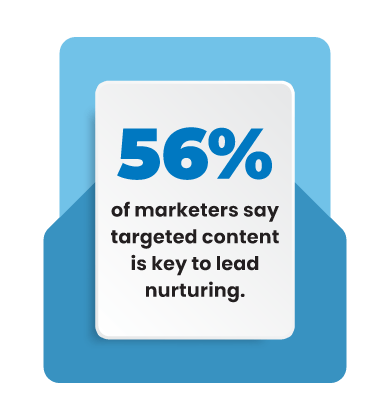
Content is the engine of lead nurturing. Once you know your audience and timeline, you can create targeted lead nurturing campaigns using email, webinars, social media, podcasts, video, and other formats. Segmentation ensures messaging resonates with specific roles or industries, while personalization strengthens the connection. Progressive profiling helps you gradually collect deeper insights about prospects, enabling more relevant communication over time. With the right strategy, technology, and customer focus, lead development becomes a structured pathway that builds trust, strengthens relationships, and steadily guides prospects toward conversion.
3. Lead Nurturing Strategy for B2B Marketers
A successful B2B growth engine starts with a clearly defined lead nurturing plan. Apply these lead nurturing strategies to strengthen your overall process, allocate your time more effectively, target high-intent prospects, and drive stronger outcomes from your sales lead nurturing efforts.
Prioritize High-Intent, High-Value Leads
An effective lead nurturing plan begins with prioritization. Focus your strongest efforts on leads that demonstrate both strong engagement and significant revenue potential. Track behaviors such as content downloads, event registrations, demo requests, and repeat website visits to identify buying intent. Combine this with firmographic data, deal size, and lifetime value projections. When both indicators align, deploy personalized outreach, executive alignment, tailored proposals, and ROI modeling to accelerate movement through the pipeline.
Build Scalable Low-Touch Nurture Streams
Not every lead requires intensive personalization. As part of your inbound lead nurturing strategy, design automated nurture tracks for early-stage or moderately engaged prospects. Deliver newsletters, blog content, industry insights, and educational resources that align with their interests. Segmentation ensures messaging resonates with industry, role, or funnel stage. Monitor engagement signals closely so you can elevate leads into higher-touch workflows when interest levels increase.
Leverage Multi-Channel Engagement
Modern B2B buyers interact across multiple platforms, so your lead qualification should extend beyond email. Integrate social media, retargeting ads, webinars, SMS, sales outreach, and dynamic website personalization into a cohesive journey. Multi-channel inbound lead nurturing reinforces your message, increases brand recall, and meets prospects where they prefer to engage. Alignment between marketing and sales ensures consistency across every touchpoint.
Use Lead Scoring to Guide Effort
Lead scoring helps prioritize time and resources by ranking prospects based on behavior, engagement, company profile, and buying signals. Today, AI-led nurturing enhances this process by analyzing behavioral patterns, predicting conversion likelihood, and recommending next-best actions. Assign values to actions such as pricing page visits, white paper downloads, or webinar attendance. Combining traditional scoring with AI-driven insights ensures high-potential leads receive prompt follow-up while others remain in automated nurture flows.
Personalize Communication at Scale
Personalization significantly improves engagement and conversion rates. Use lead nurturing marketing automation to trigger lead nurturing emails and content based on user behavior, preferences, and stage in the buying cycle. Address leads by name, reference their company or industry challenges, and recommend relevant resources. Behavioral triggers such as page visits or content interactions allow you to deliver timely, relevant messaging without manual effort.
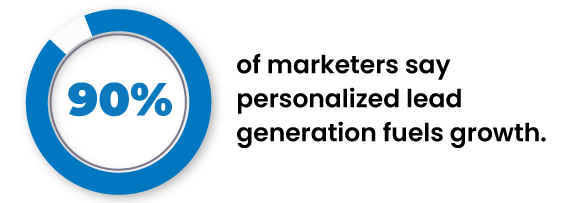
Create targeted content that aligns with each phase of the buyer journey. Awareness-stage prospects need educational insights and problem-focused resources, while consideration-stage leads respond to case studies and solution comparisons. Decision-stage prospects benefit from demos, ROI calculators, and testimonials. Mapping content to buyer intent ensures every interaction answers a relevant question and moves the lead closer to conversion.
Test, Measure, and Optimize
Effective nurturing requires constant refinement. Track key performance indicators such as open rates, click-through rates, event registrations, meeting bookings, and pipeline contribution. Conduct A/B testing on subject lines, calls to action, formats, and timing. Retire underperforming tactics and scale high-performing initiatives. Continuous optimization ensures your lead nurturing strategy evolves alongside buyer behavior and market dynamics.
4. The 3-Step Content Framework for Nurturing
In B2B marketing, knowing that you need to nurture leads is one thing. Knowing what to say to them is often where marketers get stuck. Many professionals feel pressure to make every message sound like a polished sales pitch. That pressure can lead to overthinking and writer’s block. In reality, the most effective nurturing content is not overly promotional. It is clear, relevant, and genuinely helpful.
A simple three-step framework can make this easier: the Empathy Hook, the Value Add, and the Low-Pressure Ask. This approach turns outreach from a sales interruption into an ongoing conversation that builds trust over time.
- The first step is to show that you understand your prospect’s challenges. Instead of leading with product features or company achievements, start with their reality. Acknowledge the problems they are likely facing, whether it is long sales cycles, limited budgets, complex buying committees, or pressure to deliver measurable results. When prospects feel understood, they are more likely to pay attention. The goal is to make them think, “This company understands what I’m dealing with.”
- Once you have established relevance, focus on providing value. Offer something useful that helps them move forward. This could be a short insight, a practical tip, a checklist, a case study, or a helpful article. You are not pushing for an immediate sale. You are demonstrating expertise and building credibility. Over time, consistent value positions your brand as a trusted advisor rather than just another vendor.
- Finally, include a clear but low-pressure next step. Every message should guide the prospect forward, but without creating friction. Instead of asking for a meeting right away, invite them to explore a resource, register for a webinar, or reply with a question. Small, easy actions keep the conversation going.
5. How to Choose Lead Nurturing Software:
Choosing the right lead nurturing software starts with clarity. Your technology should support your revenue strategy, not define it. A strong platform helps lead nurturing marketing and sales work in sync, automates repetitive tasks, personalizes engagement, and tracks performance across the funnel. Here are six essential factors to evaluate before making your decision.
Clear Strategy and CRM Integration
Start with your end goal in mind. Whether you invest in software or outsource to lead nurturing services, define whether you want to improve conversion rates, shorten sales cycles, or increase deal size. The ideal solution should integrate seamlessly with your CRM, giving full visibility into lead behavior, pipeline stages, and sales activities. Without strong integration, data silos form, reducing efficiency and limiting your ability to nurture leads effectively.
Automated Lead Scoring Capabilities
Look for tools that offer automated lead scoring based on behavior and engagement. The system should assign values to meaningful actions, such as visiting pricing pages, downloading content, or requesting demos. Effective scoring helps sales prioritize high-intent prospects while marketing continues nurturing colder leads. Advanced platforms allow dynamic scoring adjustments based on real-time behavior and predictive insights.
AI Lead Nurturing
Modern platforms and advanced lead nurturing services go beyond activity tracking. AI-powered lead intelligence analyzes behavioral signals, engagement patterns, and revenue potential to recommend next-best actions. Predictive insights help teams focus on leads most likely to convert. This capability improves decision-making, reduces guesswork, and ensures resources are invested in opportunities with the highest commercial impact.
Automation and Workflow Flexibility
Scalable lead nurturing automation is essential. Choose software that allows you to build customized workflows triggered by specific actions or characteristics. Automated email sequences, follow-ups, reminders, and re-engagement campaigns should be easy to design and adjust. Flexibility ensures your nurturing adapts as buyer behavior changes while maintaining consistent, timely communication throughout the customer journey.
Multichannel Sales Engagement
Effective nurturing extends beyond email. The right platform should support multichannel engagement, including phone, SMS, web chat, and social interactions. Integrated sales engagement tools allow teams to communicate with prospects across preferred channels from one central dashboard. This unified approach increases responsiveness, strengthens relationships, and accelerates movement through the funnel.
Analytics, Reporting, and Optimisation
Prioritize strong analytics capabilities. Your software should track open rates, click-through rates, stage conversions, and pipeline velocity. Look for A/B testing features and dashboards that provide actionable insights. Continuous optimization is key to improving performance. The best tools not only report data but also help you interpret it to refine messaging, timing, and targeting for sustained growth.
 6. Common Lead Development Mistakes to Avoid
 6. Common Lead Development Mistakes to Avoid
Avoid costly missteps in B2B lead nurturing. Here are the key pitfalls that hinder engagement, reduce conversions, and limit long-term client loyalty, and discover how to correct them.
Focusing solely on sales
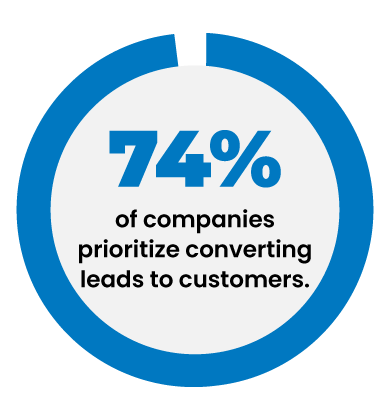
Many organizations treat nurturing as a direct sales tool, but its primary goal is relationship building. Understanding prospects’ pain points and behaviors ensures messaging adds value. Effective nurturing enhances the buyer experience, reduces churn, and encourages brand advocacy. Since retaining clients costs significantly less than acquiring new ones, focusing on trust and loyalty drives sustainable revenue growth.
Delivering generic messaging
Generic lead nurturing emails and content fail to engage modern B2B buyers who expect personalized experiences. Collecting lead intelligence and leveraging buyer personas allows for timely, relevant messaging that resonates with prospects. Personalized campaigns increase engagement, loyalty, and conversion rates. Regularly analyzing client behavior ensures content continues to align with evolving pain points and preferred communication channels.
Pressuring for premature sales
Pushing prospects to make decisions too early can damage brand perception and lead to churn. With longer, complex buying processes and risk-averse buyers, nurturing must respect each prospect’s journey. Offering actionable content and gauging engagement allows marketers to guide decision-making without being pushy, building trust while enabling leads to progress at their own pace.
Stopping nurturing after purchase
Lead qualification doesn’t end with a sale. Post-sale engagement builds client loyalty, reduces churn, and increases lifetime value through upsells and renewals. Providing support, training, feedback opportunities, or loyalty perks strengthens relationships. Even a small increase in retention can significantly boost profits, highlighting the importance of continued nurturing for sustainable B2B growth.
Ignoring optimization and testing
Data-driven iterations are critical for high-performing lead nurturing. Tracking KPIs like open rates, CTRs, and unsubscribes reveals areas for improvement. A/B testing messaging, cadences, and CTAs ensures content remains relevant and engaging. Continuous optimization empowers marketers to refine campaigns, maximize ROI, and deliver meaningful, personalized experiences across every stage of the buyer journey.
7. Measuring your lead nurturing
Tracking and analyzing nurturing performance is essential for B2B success. Strong lead generation without effective nurturing increases acquisition costs and reduces ROI. Understanding engagement, conversions, and costs ensures campaigns deliver value, accelerate the pipeline, and optimize ROI across every stage of the funnel.
Click-Through and Conversion Rates
Tracking click-through and conversion rates reveals how effectively your content engages leads. Low rates may indicate misaligned messaging or offers for specific segments. Evaluate your list segmentation and ensure that content matches the lead’s stage in the buyer journey. Personalize lead nurturing emails and offers based on behaviors like page visits, downloads, or webinar participation. Optimizing CTAs and landing pages ensures higher engagement and moves prospects efficiently through the funnel.
Time to Customer Conversion
Time to customer conversion measures how quickly leads progress to paying customers. Analyze each lead nurturing campaign for bottlenecks or slow-moving segments, which may signal ineffective offers or under-optimized landing pages. Monitor marketing qualified leads (MQLs) and sales-accepted leads to identify misalignment between marketing and sales. Adjust lead scoring, content, and lead nurturing campaigns to accelerate conversions. Efficient nurturing reduces delays and ensures prospects are ready for sales interactions at the right time.
 Cost per Customer
Track the cost per customer over time using closed-loop analytics to confirm ROI. Successful campaigns reduce acquisition costs as more leads are nurtured from the top to the bottom of the funnel. Monitoring this metric monthly ensures that nurturing remains cost-effective while driving revenue. By continuously optimizing marketing campaigns and content, organizations can maximize conversions without overspending on acquiring each new customer.
Engagement by Segment
Segment-level engagement metrics highlight how different groups respond to your nurture campaigns. Monitor unsubscribe rates, email opens, and click-throughs for each segment. Low engagement suggests irrelevant content or messaging misalignment. Refine content based on lead behavior, preferences, and stage in the buyer journey. Personalized, targeted nurturing improves both engagement and conversion. Segment insights also allow marketing teams to prioritize resources and focus on leads that are most likely to convert.
Iteration and Optimization
A/B test emails, landing pages, and CTAs to improve performance continuously. Collect feedback from campaigns and refine your nurturing strategy accordingly. Lead nurturing automation tools and CRM integrations provide data for real-time adjustments, enabling responsive and adaptive campaigns. Regular analysis ensures every touchpoint delivers value, improves engagement, and drives conversions, turning nurturing efforts into a scalable engine for revenue growth.
Conclusion
Effective lead nurturing is a strategic necessity. By consistently engaging prospects with personalized, relevant content across multiple channels, businesses can guide leads through complex buying journeys while building trust and credibility. Avoiding common mistakes, leveraging analytics, and continuously optimizing campaigns ensure higher conversions, shorter sales cycles, and reduced acquisition costs. Post-sale nurturing strengthens loyalty, encourages repeat business, and maximizes customer lifetime value. With the right lead nurturing strategies, tools, and measurement framework, lead qualification transforms marketing efforts from transactional outreach into a sustainable growth engine, positioning your organization as a trusted advisor and driving measurable revenue impact at every stage of the funnel.