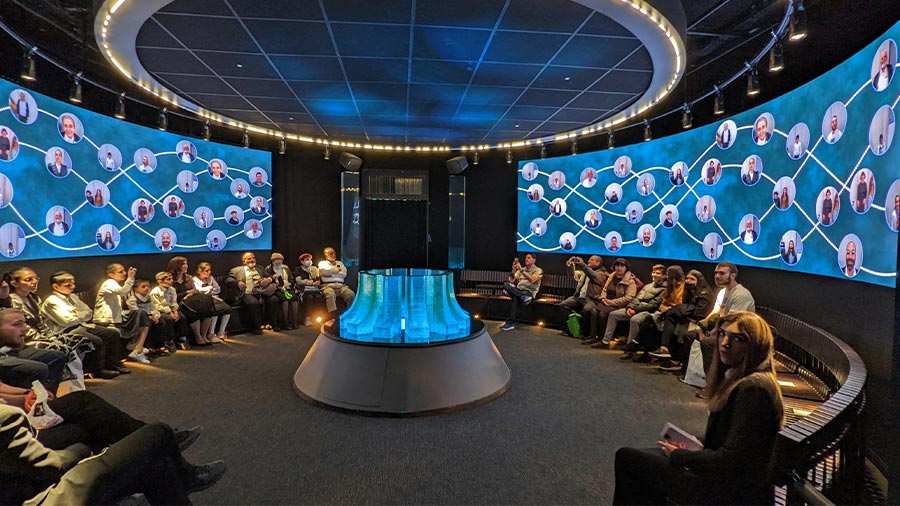
In a world where products, services, and ads increasingly look the same, memorable experiences are what truly set brands apart. Experiential marketing moves beyond traditional promotion by creating immersive, real-time interactions that engage people on a human level. It’s not about transactions; it’s about moments that spark emotion, build trust, and make an indelible mark. Whether it’s a live event, an interactive demo, or a hands-on brand activation, these experiences stay with audiences long after the campaign ends. When done right, interactive marketing turns attention into connection, customers into advocates, and brand moments into measurable impact.
What is Experiential Marketing? : Experiential Marketing Definition
Experiential marketing is a strategy that creates direct, interactive experiences, allowing people to actively engage with a brand in real time. Instead of communicating value through ads or messaging alone, it immerses audiences in hands-on moments that appeal to the senses and emotions. These experiences can include live events, pop-ups, product trials, immersive installations, or digitally extended activations.
Leading experiential marketing companies offer strategic experiential marketing services that align brand storytelling with immersive engagement. These experiences strengthen emotional connections, which drive higher brand recall, trust, and long-term loyalty.
Many brands partner with experiential marketing companies or a specialized experiential marketing agency to design and deliver tailored experiential marketing services that bring immersive brand moments to life effectively. A skilled experiential marketing agency ensures strategy, creativity, and execution align seamlessly to maximize engagement and impact.
The goal is to shape perception through participation, not persuasion. By focusing on how people feel and interact, interactive marketing builds stronger emotional connections, improves recall, and encourages advocacy. It shifts marketing from passive exposure to active involvement, turning brand interactions into memorable experiences that influence behavior, loyalty, and long-term brand value.
Role of Experiential Marketing in Building Brand Value
Experiential marketing plays a critical role in building brand value by transforming how people perceive, remember, and relate to a brand. Instead of relying on messages alone, it creates direct interactions that allow audiences to experience a brand’s purpose, personality, and promise firsthand. These experiences strengthen emotional connections, which drive higher brand recall, trust, and long-term loyalty.
As per the benefits of experiential marketing, it makes brands feel human and credible rather than abstract. It also delivers immediate feedback and rich first-party insights, helping brands refine their positioning and offerings. When experiences are shared through word of mouth and social platforms, they organically extend reach and amplify impact far beyond the moment itself. Over time, these meaningful interactions reinforce brand equity by aligning what a brand says with what people actually experience, turning customers into advocates and brand value into a measurable business asset.
Types of Experiential Marketing Campaigns
Experiential or Immersive marketing comes in many forms, each designed to create meaningful, memorable brand interactions rooted in experiential learning. These experiences allow audiences to actively engage with products and services rather than passively consume messaging.
Pop-up experiences generate excitement by appearing in unexpected locations and offering limited-time engagement through product trials or immersive environments. Exhibition stands and live events transform physical spaces into interactive brand showcases where audiences can explore, test, and connect with products firsthand. Interactive workshops and classes encourage experiential learning, positioning brands as industry experts and fostering deeper engagement.
Guerrilla marketing activates public spaces with bold, unconventional ideas that disrupt routine and spark curiosity. Kiosks and interactive installations at trade shows use technology like augmented reality or photo experiences to attract attention and encourage participation. Festivals and sports events provide high-energy platforms for large-scale Immersive marketing campaigns, increasing visibility and cultural relevance. Launch parties reward loyal customers with exclusivity, while interactive technology, such as virtual worlds and digital extensions, blends physical and digital touchpoints into seamless brand experiences.
How to Implement an Experiential Marketing Strategy
To run a successful engagement marketing strategy, focus on key elements that build strong customer relationships and deliver measurable impact through strategic experiential marketing solutions.
Define clear objectives
Define what you want to achieve: brand awareness, engagement, lead generation, or loyalty. Clear goals guide creative decisions, align teams, and provide benchmarks for success. Without objectives, even strong experiential marketing solutions may be memorable but fail to deliver meaningful business results.
Know your consumer profile
Identify your target consumer’s interests, behaviors, motivations, and pain points. Understanding what drives them enables you to design experiences that feel authentic and relevant. Audience insight strengthens experiential learning moments and increases emotional connection and long-term brand recall.
Create powerful stories
Storytelling transforms activations into emotional journeys. A compelling narrative gives your experiential marketing campaigns purpose, helping consumers feel part of the brand story. When audiences emotionally connect, they are more likely to remember, share, and advocate for your brand.
Design personalised experiences
Tailor experiences based on audience preferences, demographics, or behavior. Personalized experiential marketing solutions make participants feel valued, driving deeper engagement, stronger relationships, and higher conversion potential.
Apply technology strategically
Technology such as AR, VR, and interactive digital tools enhances experiential learning when used purposefully. The key is integrating technology to elevate interaction, strengthen brand perception, and create immersive, memorable experiences that support campaign objectives.
Measuring the Impact of Experiential Marketing
Tracking the impact of experiential marketing is crucial for creating memorable experiences. You can measure the success of interactive marketing through attendance, engagement rates, social media shares, and customer feedback. Surveys, post-event follow-ups, and sentiment analysis reveal how audiences connect emotionally and perceive the brand. Linking experiences to business outcomes such as leads, conversions, or repeat purchases demonstrates tangible return on investment. Analyzing these metrics helps refine future campaigns, optimize touchpoints, and ensure each activation delivers value. Measurement also identifies which experiences build advocacy and long-term loyalty. Bringing together creative ideas with data analysis makes sure that experiential marketing creates important experiences while also showing real growth and improving brand value.
Conclusion
Experiential marketing is essential for brands that want to stand out in 2026 and beyond. By creating immersive, meaningful experiences, brands can forge emotional connections, boost loyalty, and turn customers into advocates. When executed with clear objectives, audience insight, storytelling, personalization, and smart technology, experiential campaigns move beyond awareness, delivering measurable impact and lasting brand value. In a crowded marketplace, it’s the experiences that people remember that define a brand’s success.